
Today, women-owned businesses are one of the fastest-growing segments of the US economy. However, financing remains one of the biggest hurdles in their growth. The right business loans and funding options can help women entrepreneurs scale up their business. They can hire the right staff, buy high-end equipment, open a new office, launch new products, and more. It will help keep the business steady and grow it further.
In this guide, we will discuss the different funding options available in 2026, like SBA loans, grants for women entrepreneurs, and other business growth financing options for women business owners. We will also share the simple steps to improve your chances of getting approved.
The Current State of Women-Owned Businesses in 2026
According to Wells Fargo’s 2026 Impact of Women-Owned Businesses Report, women now own approximately 15.7 million businesses in the US, which roughly translates to about 40.6% of all businesses nationwide. Together, they employ 12.6 million people and generate $2.8 trillion in revenue. Between the years 2022 and 2025, the number of businesses owned by women entrepreneurs grew by 12.1%, which is nearly double the growth rate of businesses owned by men entrepreneurs.
These numbers tell a bigger story. Only 9% of businesses owned by women have employees, compared to 18% of the businesses owned by men. Still, these women-led businesses drive 82% of the total revenue generated by women-owned businesses. This reveals that businesses can earn more revenue when they have the right resources and employees. To grow, they need capital and funding.
Key Financing Challenges Women Entrepreneurs Face
In the US, women are launching and scaling businesses at an impressive pace; however, getting the right funding still remains a challenge. They face several social, structural, and institutional barriers when seeking funding to grow their businesses.
1. Very little venture capital goes to women– According to the numbers by PitchBook via Eastgate Financial and the U.S. Chamber of Commerce, most start-ups founded by women receive only 2% to 3% of all venture capital money. This is a very small share as compared to the number of women starting businesses.
2. Loan Bias – Women entrepreneurs face several hurdles when they apply for a business loan with banks. Only about 4% of small business loan dollars go to women-led businesses. When women apply for a loan, they are almost half as likely to be approved as compared to men. Further, if their loan gets approved, they only get smaller amounts at higher interest rates.
3. Women often start with less money – Since it is harder for women to get business loans, they often start with half the capital men start their businesses with. Many use their own savings, loans from family, or high-interest credit cards. Many rely on their own savings, loans from family, or high-interest credit cards.
4. Women start businesses that need less capital – Women often start businesses that require less capital, such as retail, health care, or professional services, rather than capital-intensive or high-tech businesses like technology, construction, or manufacturing. This limits the interest of investors. According to data by the Chamber of Commerce, most women-owned businesses are operated as sole proprietorships and earn less than $250,000 annually, which doesn’t attract venture capital.
5. Gender bias without any significant reason- Studies by the Georgetown Institute for Women, Peace and Security reveal that both male and female investors prefer and favor pitches from male entrepreneurs. This happens even when the business numbers and slides are identical.
6. Women don’t have the right networking opportunities – According to the Georgetown Institute for Women, Peace and Security, most of the investor groups and venture capital circles are male-dominated. This makes it tougher for women to get the right mentors and money in funding rounds.
7. Many women don’t apply at all – According to the OECD, when women see others get rejected or when they expect bias, most of them refrain from applying for loans. This means that the gap never shows in the rejection numbers.
Although these challenges are real, women business owners can take several steps to overcome them. They need to understand these barriers to prepare a strong application and find the financing options that best suit their business.
Traditional Funding Options for Women-Led Businesses
Women entrepreneurs can choose from several traditional funding options to launch, scale, and grow their business. These options include bank loans, Small Business Administration (SBA) loans, business lines of credit, grant programs, microloans, and so on.
Each of these financing options works differently. Understanding each of these options can help women business owners choose the right funding that supports their business goals.
Some of the funding options include
Bank Loans
Traditional bank loans are the most common choice for women who want to scale their existing business or launch a new business venture. Banks offer loans to hire employees, set up an office at a second location, buy equipment, etc.
Banks usually evaluate a business’s credit history, revenue, ability to repay the loan, and financial records. Therefore, businesses with a strong financial history have better chances of getting their loans approved.
SBA-Backed Lending Programmes
The US Small Business Administration (SBA) supports small businesses to get affordable funding at flexible terms and conditions. SBA, however, doesn’t lend directly. It guarantees a portion of loans made by approved lenders, which reduces lender risk and broadens access to credit. While these loans are not specifically reserved for women, they are often more accessible than conventional loans for entrepreneurs with limited collateral. Some SBA loans come with lower down payments, flexible overhead requirements, no collateral and continued support to help you expand your business.
Popular SBA Loan Options Include-
- SBA 7(a) loans: This loan is delivered by only SBA 7(a) lenders and provides up to $5 million for working capital, equipment, refinancing and acquisitions. To be eligible to get a 7(a) loan, businesses must meet SBA size standards. They should be able to repay and have a strong business purpose.
- SBA 504 loans: This loan is designed for major fixed assets, such as commercial property and long-term equipment that promote business growth and employment. 504 loans offer up to $5.5 million in long-term financing at fixed rates delivered through certified development companies.
- SBA Microloans: These are smaller-sized loans of up to $50,000 for smaller funding needs, like inventory, supplies, and working capital. Microloans are provided through SBA funding intermediaries.
Grants for Women Entrepreneurs
Grants are an attractive financing option because they do not need to be repaid. However, federal grants for starting and running a general small business are rare. Most of the grants come from private organisations, are competitive and have limited funds. Some options that are worth exploring include
- Amber Grant (WomensNet): Offered by WomensNet, it is a monthly grant of up to $10,000 to women-owned businesses. The application process is easy, and applications open every month.
- IFundWomen: It is a crowdfunding and grant platform for women-owned businesses. It helps women business owners connect with others and get business guidance.
- Cartier Women’s Initiative: It is a global program for impact-driven women founders offering $30,000 to $100,000.
- Tory Burch Foundation: It supports women entrepreneurs through business education, expert guidance, networking, and access to funding. Its fellowship programme offers $2,000 in education funding.
- State and local programmes: Several economic development agencies fund women-owned businesses in specific regions or industries to help them scale their business.
Though grants are worth considering, you shouldn’t solely rely on them for funding. Since the competition is intense, availability is limited, and timelines can be long, you should also consider other financing options.
Alternative Financing Options
If SBA loans, bank loans, and other funding options don’t suit your requirements, there are several alternative financing options for women entrepreneurs for raising capital for their business. Lenders evaluate your business on revenue, cash flow, and operating history, not on credit score.
Some of the alternative financing options include the following:
- Crowdfunding: Raise money from customers and supporters while testing interest in your product or business idea.
- CDFIs and Mission-Driven Lenders: These lenders support small businesses and entrepreneurs who may struggle to get traditional loans. Options include community lenders and microlenders.
- Angel Investors and Venture Networks: Startups with strong growth potential can raise money from investors in exchange for a share of ownership. Investors may also offer business advice and guidance.
- Revenue-Based Financing: Repay the funding based on a percentage of your monthly sales. Payments can change as your revenue goes up or down.
- Invoice Financing: Get money against unpaid customer invoices to cover business expenses while waiting for payments.
- Merchant Cash Advances: Get quick access to funds based on future sales, but be careful because the fees can be very high.
Each option has its own benefit and risk. While choosing the right option for your business, consider fees, repayment terms, and ownership requirements.
Tips to Improve Funding Approval Chances
According to a report by Founder’s Forum Group, women-led businesses receive only a small fraction of traditional venture capital, usually between 1% and 3%. They also face a tough approval process and lower approval rates. With proper planning and documentation, women business owners can tremendously improve their funding approval chances.
Build a Strong Loan Application
- Make a clear business plan: Clearly explain your business idea, your target customers, your business goals, and your plan for growth. Also explain your financial goals, expenses, and expected revenue. This will help lenders evaluate how your business will generate revenue and repay the loan.
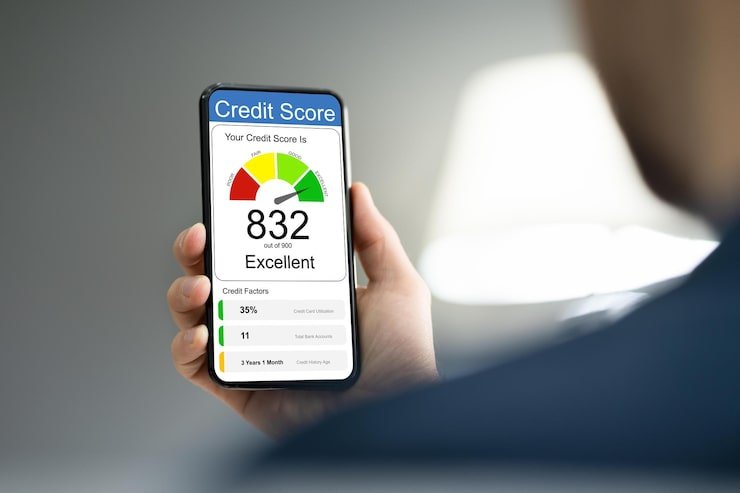
- Build a strong credit history: A strong and clear credit history builds trust among lenders and improves your chances of getting a loan approval. To maintain a good credit score, you should pay your bills and loan EMIs on time.
- Keep your financial records organized: Maintaining clear records of your income, profits, cash flow, and expenditures helps in the approval process. Keep your profit and loss statements handy, maintain balance sheets, and prepare cash flow forecasts. This will help you share accurate records with lenders.
2. Keep Your Documents Ready
Lenders check several income- and tax-related documents when they consider your loan application. Keeping the right documents handy can make the loan approval process smoother. Lenders ask for—
- Tax returns: Keep your personal and business tax returns from the past two to three years ready.
- Bank statements: To show your income and expenditures, keep your bank statements from the last three to six months.
- Business documents: Maintain a file of all important business documents like registration papers, business licenses, and other legal documents.
- Collateral details: Keep a record of documents that showcase the value and ownership of assets you can keep as collateral.
Preparing these documents in advance can save time and help lenders review your application more easily.
Future Financing Trends
Women entrepreneurs are slowly moving away from traditional venture routes. Since traditional venture capital has been biased against supporting women, with women-only-led businesses receiving only 1% of US venture capital in 2024, women are now considering other funding options. These include grants for women, interest-free loans, and support networks like Hello Alice and iFundWomen.
Technology is helping women launch their businesses. According to QuickBooks, today around 55% of women entrepreneurs use AI to launch their businesses. These AI tools help lower startup costs and hence reduce the need for funding.
Further, to help businesses with thin credit lines, fintech lenders are expanding cash-flow-based underwriting. Banks and other corporations are also launching several schemes to support women founders.
Conclusion
With access to the right funding and support, women-owned businesses have excellent potential to grow. Women entrepreneurs can find the funding that best suits their business requirements by exploring bank loans, grants, SBA programs, and other alternative financing options. Keeping their financial records ready, maintaining a good credit history, and preparing a strong loan application can also improve their chances of loan approval.
Frequently Asked Question
What is the easiest type of funding for a women-owned business to get?
Easiest funding options for women-led businesses include microloans, CDFI loans, and online lenders. They often have easier approval processes; however, that may also mean higher costs.
Do women-owned businesses get preference for SBA loans?
No. SBA loans don’t give preference to women-owned businesses, as they are open to all eligible small businesses.
What credit score do I need for business financing?
It varies by lender and business type. Several banks and SBA lenders look for good personal credit, often in the mid-600s or higher, but alternative lenders may accept lower scores.
Can I get funding without collateral?
Yes, sometimes. Microloans, unsecured lines of credit, and revenue-based financing may not require collateral, but they can carry higher rates or shorter terms.