
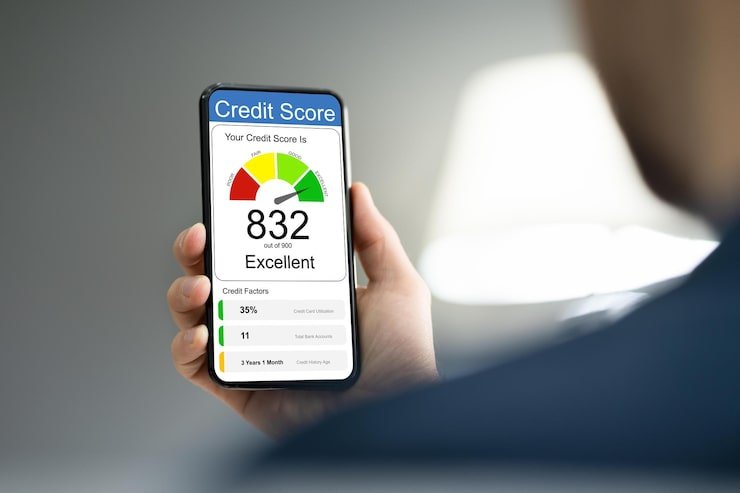
More than 36 million small businesses operate in the U.S., and many of them need outside funding to raise capital at some point. The Federal Reserve’s 2025 Small Business Credit Survey found that 60% of small employer firms applied for financing in the prior 12 months, and 86% use financing regularly. However, getting approved is far from guaranteed. The survey highlights that only 42% of the applicants received the full amount they applied for, while 22% got nothing. Among the businesses that were turned down for financing, 37% cited too much existing debt and around 30% cited a low business credit score.
A poor credit score is one of the main obstacles in getting funding to scale or start a small-scale business. There are several smart tricks to improve a business credit score. The best 5 ways are discussed below.
What Is a Business Credit Score?
A business credit score is similar to a personal credit score. It reveals how well your business manages debt and its capacity to repay loans on time.
A good credit score between 80 and 100 can help you get loans quickly, lower interest rates, better repayment terms, and business insurance at competitive rates. Lenders consider this score to check your business’s financial health. Maintaining a good business credit score can help your business grow and enhance your chances of getting funding. Different U.S. credit bureaus use different scoring systems to measure a business’s creditworthiness.
- Dun & Bradstreet PAYDEX: Score ranges from 0 to 100 based on how quickly a business pays its bills. A score of 80 or above usually means payments are made on time.
- Experian Intelliscore Plus: Score ranges from 1 to 100. A business with a higher score is considered less risky.
- Equifax Business Credit Risk Score: Scores range from 101 to 992. It helps lenders assess the risk of lending to a business.
- FICO SBSS: Scores range from 0 to 300. It considers both business credit history and the owner’s personal credit.
Since each credit bureau uses its own scoring methods, a business may have different credit scores with different bureaus.
5 Ways to Improve Business Credit Score
1. Pay Bills on Time
Paying bills on time is one of the most important factors that impact your business’s credit score. Most of the credit bureaus consider your payment history while evaluating your business credit score. D&B’s PAYDEX, for example, considers how promptly you pay your lenders, and paying on time can push the score higher. Late payments may reflect on your credit report and impact your funding opportunities.
To ensure timely payments, consider automating your regular expenses. This will ensure your bills are paid on time every month. You can also use accounting software to set up payment reminders and automate payments.
2. Monitor Credit Reports Regularly
Errors are common. Even a small error like a misspelled company name, an account that isn’t yours, or a wrongly mentioned late payment can negatively impact your credit score. Hence, it is important to regularly monitor your credit report for errors.
If you find any mistake in your report, you should report it to the credit bureau that provided the report. Mention the specific error and provide the supporting documents that you have. The respective bureau will investigate the issue.
3. Maintain Low Credit Utilization
Credit utilization refers to how much of your total available credit limit you are using. You should keep your credit utilization ratio below 30% to maintain a good credit score. High utilization makes lenders think that your business is under financial stress, and it negatively affects your creditworthiness. To maintain a low credit utilization ratio, you should pay down balances before the statement closes, request a credit limit increase once your account is in good standing, and distribute large purchases across accounts.
4. Separate Personal and Business Finances
The foundational step to building a good business credit score is keeping your personal and business finances separate. For this, once you register your business as a legal entity, you should consider taking the following steps.
- Apply for an Employer Identification Number (EIN): It is a unique tax ID that helps lenders differentiate your personal from your business credit profiles. You can get it from the IRS for free.
- Get a D-U-N-S Number: D-U-N-S refers to the Data Universal Numbering System, and it is assigned by Dun & Bradstreet (D&B). It establishes your profile with D&B. The registration is absolutely free.
- Open a Business Account: Get a business account opened under your company’s name and EIN. Use this account exclusively for business expenses.
- Apply for a Business Credit Card: A business credit card helps in building your credit profile. Do not use this card for personal expenses.
- Establish Trade Lines: Opening accounts with suppliers and vendors who report payments to credit bureaus can help build your business’s credit history.
Build Relationships with Vendors and Lenders
Building good relations with vendors and lenders can help your business get funding when you need it. According to a 2026 report, small banks had the highest full loan approval rate at 57%. Borrowers were also more satisfied with banks than online lenders. In addition, 60% of online-lender borrowers said their borrowing costs were higher than expected, compared with 32% of borrowers at large banks.
To build strong relationships with your vendors, pay them on time, start with net-30 accounts that give you 30 days to make payments, and use credit responsibly. Once your business grows, you can shift to larger credit facilities. You should also build a relationship with a local bank or credit union before applying for a personal loan so you can understand its requirements and prepare for future funding needs.
Common Mistakes to Avoid
Improving business credit score takes time and effort. Avoiding a few common mistakes discussed below can help protect your score and enhance your chances of getting loans at cheaper rates.
- Maxing out credit lines: Using most of your available credit limit makes your business look under financial stress. So, try to keep your credit utilization low and don’t rely heavily on credit cards or lines.
- Ignoring Credit Report: Monitor your business credit report regularly to ensure all information is correct. Incorrect payment records, errors in names, or outdated records can all bring down your credit score.
- Closing old credit accounts without planning: If you close your old credit accounts without planning, it may reduce your credit limit and increase your credit utilization ratio. It can also affect your credit history.
- Missing payments: If you miss paying even small bills, like supplier invoices, credit card payments, or service charges, this can impact your credit score if they are reported to the credit bureau. You can set up automatic payments or reminders to pay bills.
Conclusion
A small business credit score is built through healthy financial habits, not shortcuts. To improve your business credit score, you should pay debt on time, keep your credit utilization under 30%, check your credit reports, and establish good relationships with vendors and lenders that report to credit bureaus. Over time, this means quick business loan approvals, better supplier terms, low interest rates, and funding opportunities.
Frequently Asked Question
How long does it take to improve your credit score?
Improving your business credit score takes around 30 to 45 days for minor changes like fixing errors in your credit report. However, significant improvement takes about 6 to 12 months for noticeable growth among credit bureaus.
What is considered a good business credit score?
According to PAYDEX, a credit score between 80 and 100 is considered good. Lenders view a credit score of 80 and above as low credit risk. However, different bureaus have different ways of measuring your credit score.
Does personal credit have any impact on business credit?
Though your personal credit doesn’t have any direct impact on your business credit, lenders consider both when approving a loan.
Can I get funding with a bad credit score?
Yes, some alternative funding options such as secured cards and online lenders may offer you a loan with a bad score; however, the cost will be higher, and the terms will be less favorable.

