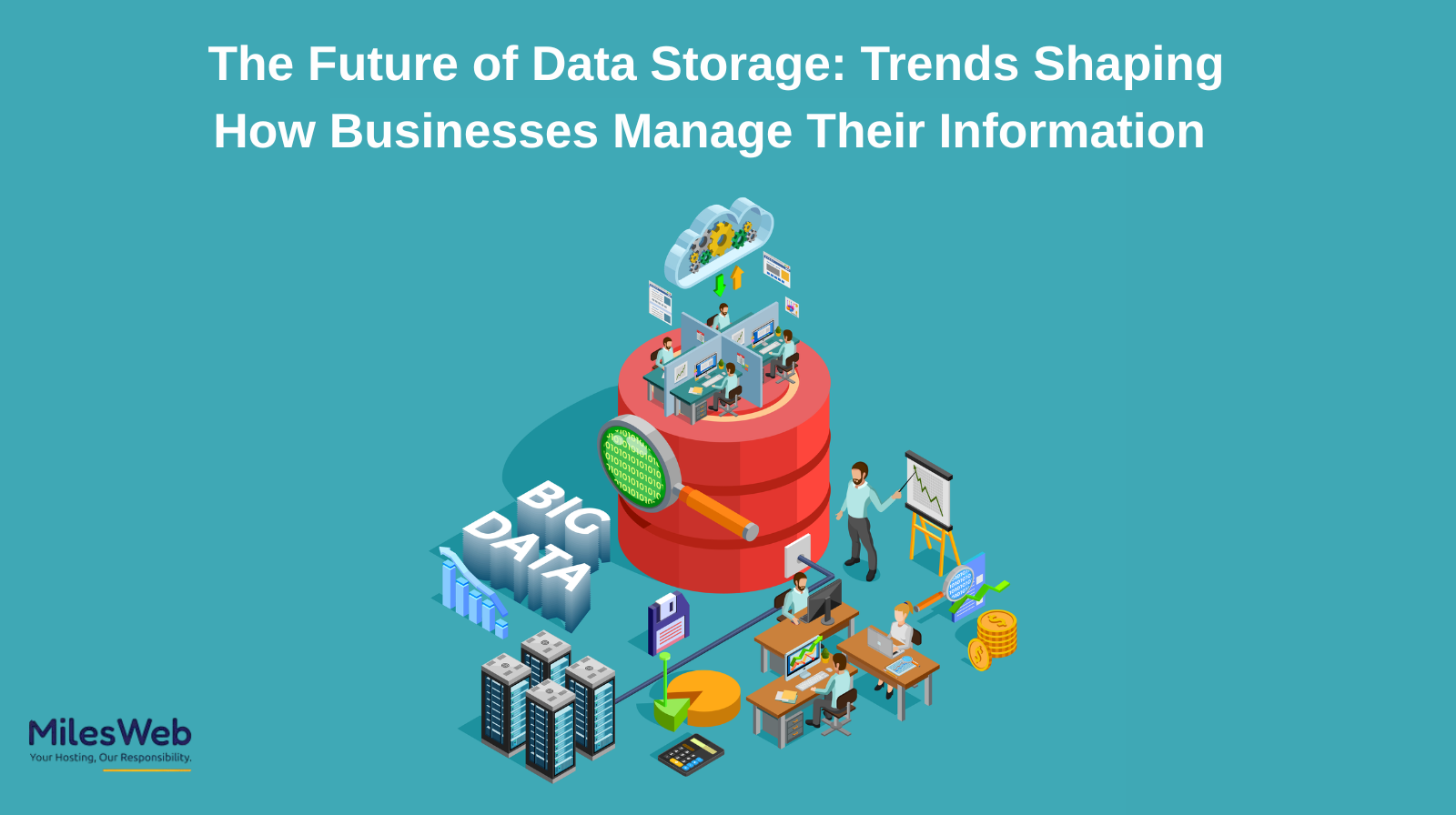
Look around. The amount of data entering our businesses isn’t just growing—it’s exploding. This has fundamentally changed data from being something we archive into the core engine that powers every modern company. Simple storage is no longer enough; we must use it instantly. This intense pressure is why slow, rigid, on-premise infrastructure simply cannot keep up. Companies today must shift gears, urgently seeking flexible and powerful cloud hosting services that can handle today’s unprecedented data volumes without incurring massive capital expenditures.
The major headache for scaling businesses is accessing top-tier performance without paying a top-tier price. Your infrastructure needs to scale instantly under heavy load, but the budget remains fixed. That’s why the hunt for a truly competitive low cost cloud server is an essential strategic imperative. The future of smart data management relies entirely on using a service that acts like a utility: you pay only for the power you actually use, but you get the speed and robust security of a massive, dedicated data center.
From Data Center to Digital: Why Owning Infrastructure is Obsolete
The most significant architectural transformation currently unfolding in data storage is the transition from ownership to pure access. Businesses are stepping out of the server room entirely. Serverless architecture is the prime example: users simply upload their code or their data, and the cloud handles all the intricate provisioning, scaling, and patching. Your team can focus entirely on building great products, not dealing with an operating system that needs an update.
And it gets more interesting with Edge Computing. With dispersed operational teams and sensors multiplying, data is being generated far remotely from traditional data centers. Edge computing smartly shifts processing and storage closer to the point where data originates. This is essential for slashing latency, which enables instant, real-time decisions and rapid analysis at the source. However, success demands that this distributed model requires infrastructure designed for global resilience and ironclad consistency.
Engineered for Protection: Security as the Cornerstone
For decades, security was an afterthought—a firewall retrofitted to the network perimeter. That approach is obsolete. Modern cloud environments inherently feature security woven into their core, offering protection vastly exceeding the capabilities of a small, internal IT department. Cloud providers now manage continuous, complex security tasks autonomously, removing a huge liability from internal teams.
This includes automated system patching, implementing identity controls through zero-trust principles, and running compliance audits across international borders. Since modern cyber threats are so massive and operate with such velocity, non-stop, automated vigilance is simply mandatory—it has moved far past being a luxury.
Simplify Operations: The Power of Centralized Management
If your email host, backup system, security rules, and deployment tools all live in separate places, you create unnecessary administrative complexity and increase the risk of security breaches. The Modern business demands a centralized, unified control dashboard for every single infrastructure task.
This simplification is a game-changer for operations. Envision the operational advantages achieved when routine tasks are executed transparently and rapidly from a centralized, robust console. This cohesive management style not only improves overall security but also frees up your IT staff from tedious routine maintenance.
This operational clarity, crucially, allows your technical person to dedicate themselves entirely to innovation and revenue, instead of getting caught up in constant system troubleshooting. Centralizing your controls keeps your team focused squarely on growth.
Smart Spending: Eliminating Wasteful Capacity
One of the major financial liabilities of old IT was over-provisioning: the practice of purchasing excess hardware capacity. Essentially, companies were forced to buy enough expensive physical hardware to handle their absolute maximum potential usage spike. The costly realization was that the vast majority of these resources remained dormant and unused for most of the year. This kind of inefficient capital spending is simply unsustainable in a dynamic business world.
The future of smart data storage is defined by truly elastic scaling. The mandate is straightforward: you need enough power available to handle your heaviest workload, but you must only be charged for the exact capacity that is actively consumed.
MilesWeb solves this challenge by integrating vital services directly into its platform. Specifically, they include professional email accounts and daily backups at no extra charge.
Concluding Insights
The profound shift in data storage—driven by dynamic scaling, integrated security, and simplified management—is not an abstract industry concept; it is the established reality for competitive businesses. Any company that delays migrating away from fixed server models risks being severely hampered by latency, escalating costs, and unacceptable security vulnerabilities.
This choice transcends technology entirely. Foundational infrastructure is your strategic compass and the guarantor of your future. It is the single most intelligent investment you can make to secure your enterprise’s longevity and ignite a phase of unrelenting growth. MilesWeb understands this calculus, delivering that exact fusion of dynamic scaling and crucial integrated services necessary to support modern, globally dispersed teams.