
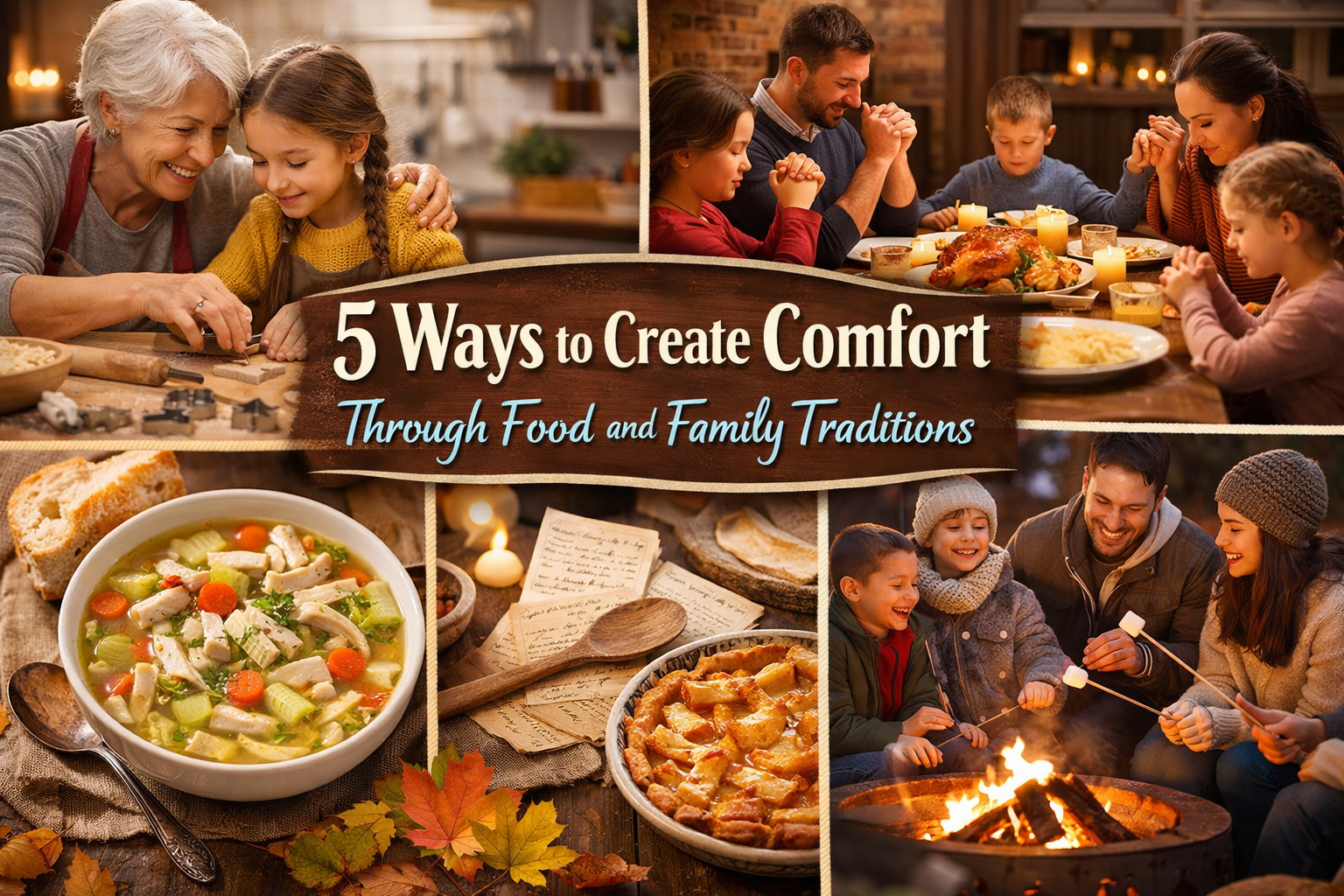
There is a distinct, almost tangible relief that comes from walking into a house and smelling something familiar cooking in the oven. It might be the scent of roasting potatoes on a Sunday or just the simple, sharp aroma of toast in the morning, but food has this incredible ability to ground us. It acts as an anchor, especially when life feels a bit chaotic or uncertain. For families, and particularly those welcoming new children into their homes, the kitchen often becomes the real heart of the household, not because of fancy appliances, but because that is where the care happens.
The Weekly “Fakeaway” Night
Routine is a powerful thing, yet it doesn’t have to be rigid or boring. Establishing a fun, predictable rhythm, like a Friday night “fakeaway” where you make homemade pizzas or a mild curry instead of ordering out can be a brilliant icebreaker. It’s a low-pressure environment. Eating with your hands, sitting perhaps a bit more casually around the table or even in front of a film, helps lower defences. It signals that the week is done, the pressure is off, and it is time to relax together.
The Accessible Snack Drawer
Sometimes, comfort is simply knowing you won’t go hungry. For children who have experienced instability, food insecurity can be a real worry. Setting up a “help yourself” bowl on the counter or a specific drawer in the fridge filled with yoghurts, fruit, or cheese strings can offer a massive sense of relief. It gives a child autonomy, allowing them to make a choice for themselves without having to ask for permission, which helps build a quiet sense of trust and safety within the home.
Warmth for the Late Arrivals
Life doesn’t always stick to a schedule. Sometimes, things happen rapidly and without much warning. When a household steps up to provide emergency foster care, the arrival often happens late at night. In these moments, a three-course meal isn’t what is needed. Instead, comfort is found in a mug of hot chocolate or a warm crumpet with plenty of butter. These small, warm offerings can help soothe a bewildered child who might be feeling frightened or confused, bridging the gap between a stressful transition and a safe night’s sleep.
Baking as a Shared Activity
You don’t need to be a master pâtissier to enjoy the benefits of baking. Actually, the messier, the better. Mixing a simple sponge cake or rolling out biscuit dough offers a sensory distraction that is great for chatting without the intensity of direct eye contact. It is a collaborative effort where you work side-by-side, measuring and stirring, and the house fills with a sweet smell that says, “someone lives here, and someone cares.”
Honouring Their Favourites
While introducing your own family traditions is lovely, making space for a child’s existing preferences is just as vital. It might be buying a specific brand of cereal they are used to or asking if they prefer red sauce or brown sauce on their bacon sandwich. These might seem like tiny details to an adult, but to a young person in a new environment, seeing a familiar packet in the cupboard is a reassuring nod that they are seen and understood.
These kitchen moments aren’t really about the recipes themselves, but about the quiet message of safety and belonging they send to everyone who sits at the table. It turns out that care is something you can actually taste, and sometimes a simple hot meal is the best way to say Welcome Home.